
Heritage home painting in Perth is not the same as painting a modern house. The materials are different, the prep is more painstaking, and if you cut corners you can damage hundred-year-old fabric permanently. I have spent two decades working on character homes across Perth: Federation cottages, limestone terraces, post-war weatherboards. And I have seen good heritage paint jobs that look fresh fifteen years later and bad ones that caused rot within two. Here is what you need to know.
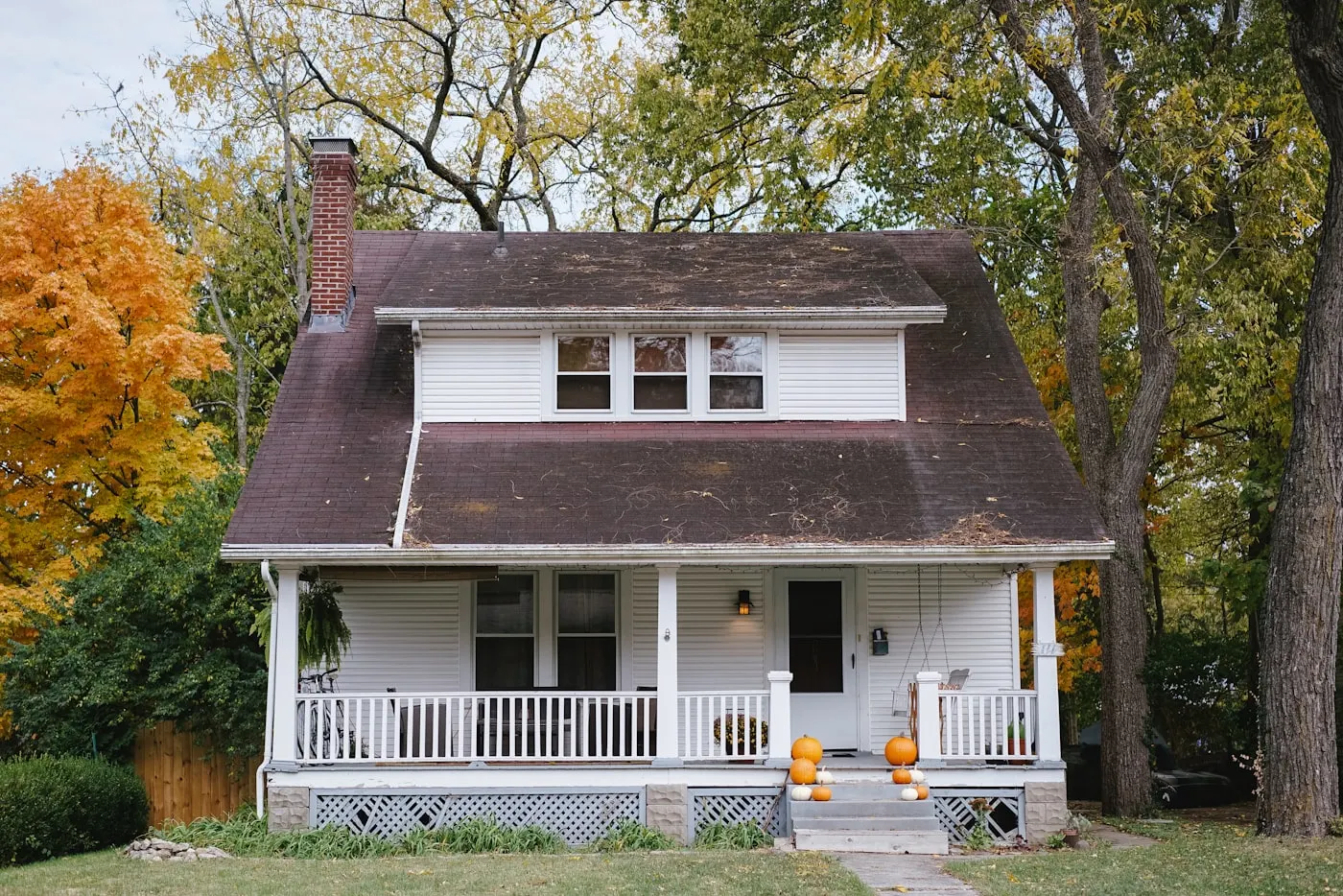
What makes heritage home painting different from standard painting
The biggest difference is the substrate. A modern home is plasterboard and render. Smooth, uniform, predictable. A heritage home is timber weatherboard, lime render, brick, stone, or a mix of all four. Each material behaves differently. Each needs a specific paint system. Get it wrong on a modern home and the paint peels. Get it wrong on a heritage home and the material itself starts deteriorating.
Here is a specific example I deal with all the time. Weatherboard expands and contracts with Perth's dry heat and winter damp. If you seal it with a non-breathable modern acrylic, moisture gets trapped behind the paint film. The timber rots from the inside out. I have pulled off perfectly intact-looking paint only to find black rot underneath because a previous painter used the wrong product. When you work with experienced house painters in Perth who understand heritage construction, this does not happen.
Then there is the detail work. Heritage homes have verandah fretwork, bullnose porches, window hoods, decorative brackets, timber finials. These are not flat surfaces you can spray and move on. They need hand-brushing, careful cutting-in, and patience. That is why a heritage repaint takes longer and costs more, but the result is worth every hour.
Lead paint removal Perth: the right way and the dangerous way
If your Perth home was built before 1970 (and most character homes in Mount Lawley, Fremantle, Subiaco, and Bayswater were), it has lead paint somewhere. Maybe under twenty layers of enamel on the architraves. Maybe the original colour on the weatherboard. It is there.
Lead paint removal in Perth is not optional to get right. It is legally required. Worksafe WA regulations are clear: dry sanding lead paint is prohibited. The dust is toxic, it stays in your soil for decades, and it affects children's development at very low exposure levels.
Here is how we do it. First, we test every painted surface with a laboratory-analysed paint chip sample, not a DIY kit which can give false negatives. Where lead is detected, we use wet sanding or HEPA-vacuum sanding to contain every particle. We seal off the work area with plastic sheeting and negative air pressure. We wear full PPE. All waste goes to a licensed disposal facility, not your household bin.
The cowboy approach (dry sanding, no containment, no testing) is still happening in Perth. I see it on repaints where we follow behind another painter. If a quote for your heritage home sounds too cheap, ask them their lead paint protocol. If they cannot answer clearly, walk away.
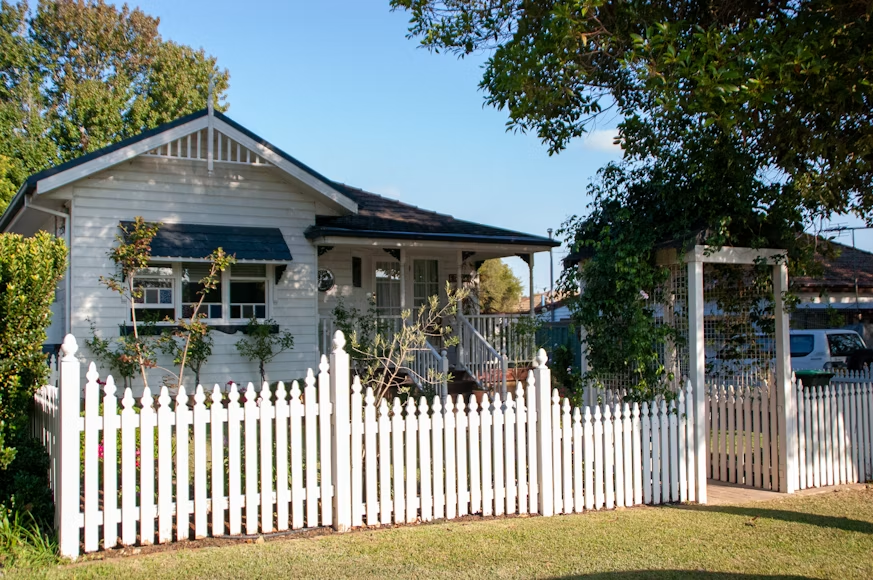
Breathable paints and lime-based systems
Here is where most painters get heritage work wrong. They treat a limestone wall or a weatherboard elevation the same as a rendered modern wall. It does not work.
Limestone and lime render need vapour-permeable coatings. The walls absorb moisture from the ground and the air. That is normal for an old building. That moisture needs to escape as vapour. If you seal it with standard acrylic, the wall stays damp. Over time, the surface spalls. Flakes of stone break off. That is permanent structural damage, not a cosmetic issue. On limestone cottages in Fremantle, we use mineral-based silicate paints or specialised lime washes that let the wall breathe while still protecting it.
For weatherboard, we use high-end breathable acrylics designed for timber: Dulux Weathershield or Taubmans Endura with a vapour-permeable primer. Standard interior acrylic on exterior weatherboard is a recipe for failure. We see it all the time: a quick flip paint job that looks fine for six months then blisters and peels. The homeowner ends up paying twice.
If you are planning an exterior house painting in Perth on a heritage home, the paint system you choose matters more than the colour. We always specify the coating system first, then pick the colour within what that system supports.
Heritage colour palettes for Perth homes
The trend in heritage suburbs right now is away from all-white and back to period-appropriate colour schemes. And thank goodness for that. A Federation cottage in all-white with grey trim looks like a rental. A Federation cottage in warm stone with deep cream trim and an heritage-red door looks like a home.
The palette that works across most Perth heritage homes: warm neutrals for the main body (stone, cream, sand), deeper earthy tones for the trim (sage green, heritage red, deep cream), and a strong accent colour for the front door (burgundy, navy, forest green). This is not a fashion choice. It is historically accurate for the Federation and Interwar periods that most of Perth's character homes belong to.
That said, you do not have to live in a museum. I have painted plenty of heritage homes where the owners wanted modern colours on a period building. A Mount Lawley character home in charcoal and white can look stunning, but the execution matters more. The paint quality, the prep, the finish. A modern colour on a heritage home with poor prep looks bad. A heritage colour with flawless prep looks expensive.
Heritage painting by suburb: where the challenges differ
Every heritage suburb in Perth has its own character and its own painting challenges. Here is what I see on the ground.
Mount Lawley
Mount Lawley's character homes are mostly Federation and Interwar: weatherboard or brick with extensive timber detail. The verandahs, the fretwork, the window hoods. These take time. I have spent three days just on the porch of a Mount Lawley home. Lead paint is almost guaranteed on pre-1940s properties. If you are looking for heritage house painters in Mount Lawley, make sure they test for lead before they start and that they have a system for dealing with it. The other challenge in Mount Lawley is the jarrah floors and timber panelling inside. When we paint interiors, we protect every surface meticulously. Jarrah stains if you look at it wrong.
Fremantle
Fremantle is the trickiest heritage market in Perth. Limestone cottages, workers' terraces, Federation homes. Sometimes on the same street. The limestone spalling issue I mentioned earlier is everywhere in Freo. I see it constantly: a limestone wall that was painted with standard acrylic twenty years ago, now flaking and crumbling. The fix is expensive because you have to remove all the failed paint, repoint the stone, and apply a proper mineral coating. If you need heritage house painters in Fremantle who understand limestone, do not hire anyone who cannot explain vapour-permeable coatings to you in plain English. Freo's coastal salt air also accelerates paint breakdown, so the specification needs to account for that too.
Subiaco
Subiaco's Federation cottages and Queen Anne homes are some of Perth's most beautiful properties. The colour schemes matter a lot here. Subi homeowners tend to be particular about historical accuracy. The pale stone and sage green that works in Subiaco would look washed out in Fremantle and too delicate in Mount Lawley. The other Subi-specific issue: narrow lots and close neighbours. Access can be tight, scaffolding is often needed, and we have to be careful about overspray affecting neighbouring properties. When you hire heritage house painters in Subiaco, look for someone who understands how to work on tight sites without causing drama with the neighbours.
Bayswater
Bayswater has a mix of post-war homes and earlier Federation cottages, particularly near the river. The post-war homes (1950s brick with tiled roofs) need a different approach than the Federation cottages. The brick is usually sound but the paint on the timber windows and eaves is often failing because of poor maintenance. Bayswater also has more weatherboard homes than people realise. If you are looking for heritage house painters in Bayswater, the key question is whether they have experience with weatherboard specifically. Many painters in Perth have never worked with timber cladding and do not know how to prep it properly.
How much does heritage painting cost in Perth?
Heritage painting costs more. I am not going to sugarcoat it. Expect to pay 30–50% more than a standard painting job of the same size.
Here is where the extra goes: lead testing and management adds a full day to most heritage projects. Stripping multiple layers of old paint takes time. Sometimes we use infrared stripping or chemical removers rather than sanding, both of which are slower and more expensive than standard prep. The paint itself costs more when you buy breathable or mineral-based systems. And the hand-painting of detailed trim, fretwork, and decorative elements cannot be rushed.
For a full breakdown by home size and suburb, see our heritage painting cost guide. For the process timeline, read how long painting takes in Perth.
The heritage painting process: step by step
If you are planning a heritage repaint, here is the process we follow. Any painter proposing something simpler is skipping steps.
- Inspection and testing. We assess the condition of every surface and test for lead. We check for moisture issues, rot, failing paint, and previous repairs that might cause problems.
- Heritage colour consultation. We review the period of your home and suggest palettes that are historically appropriate or intentionally modern. Your choice.
- Surface preparation. Lead-safe paint removal where needed. Filling, sanding, caulking. Replacing damaged timber sections. Priming with compatible primers.
- Protection. Full masking of windows, paths, gardens, and neighbouring properties. Heritage homes are detailed. Protecting the surrounds takes half a day.
- Painting. Two coats of the specified system, hand-brushed where detail is needed, carefully sprayed or rolled on larger flat areas.
- Inspection and touch-up. We walk through with the homeowner, check every detail, and fix anything that does not meet standard.
For a deeper look at the full process, read our interior painting Perth guide and exterior colours guide, both of which include heritage-specific advice.
When to repaint your heritage home
The rule of thumb for heritage homes: ten to twelve years between repaints with premium paint and proper prep. But the real answer is "when the paint starts failing, not when it starts looking tired." If the paint is still sound (no peeling, no blistering, no chalking), you can let it ride. Heritage homes have thicker paint films than modern homes, and you do not want to keep adding layers unnecessarily.
That said, do not wait until the paint is peeling badly. By that point, moisture may already be damaging the substrate. The most cost-effective time to repaint a heritage home is when the paint is still largely intact but starting to show early signs of wear: a few blisters here, some chalking on the north face. A proactive repaint costs less than a reactive restoration.
Frequently asked questions
Should I strip my heritage home back to bare wood?
Rarely. Removing all old paint from a heritage home is expensive, time-consuming, and risky. In most cases, we only strip areas where the paint is failing badly. Sound layers get scuff- sanded and over-coated. Full stripping is reserved for homes where the existing paint is failing everywhere or where you are changing from a high-gloss enamel finish to something completely different.
Can I paint brick on my heritage home?
You can, but think very carefully. Once you paint face brick, you are committed to repainting it every 10–15 years forever. Unpainted heritage brick needs zero maintenance beyond an occasional clean. If the brick is sound and the mortar is good, leave it bare. If the brick is badly faded or you need to unify a patchwork of old repairs, use a breathable mineral coating, never standard acrylic.
Do heritage homes need different interior paint?
The interior is closer to standard painting, with two big exceptions. One: the lead paint issue applies inside too. Sanding interior architraves, skirtings, and window frames in a pre-1970 home creates lead dust inside your living space. Two: the timber in heritage homes moves more than modern materials, so you need flexible paint systems that can handle the expansion and contraction. Cheap interior paint on heritage window frames will crack within a year.
How do I find a painter who actually knows heritage homes?
Ask them about their lead paint protocol. Ask them what paint system they use on weatherboard and why. Ask them if they have experience with your specific suburb's housing type. A painter who can answer those three questions clearly and specifically probably knows what they are doing. One who gives you vague answers? Move on.
Ready to do your heritage home right? Call us on (08) 9412 6743 or book a free heritage consultation. We will inspect your home, test for lead, discuss colour options, and give you a fixed price in writing. No pressure, no shortcuts.